
Water damage on Long Island. A crew on your street in 60 minutes.
Burst pipe, flooded basement, ceiling leak or storm intrusion — we extract the water, dry the structure down to the studs, and bill your insurance carrier directly.
- A real person answers the phone — nights, weekends and holidays
- Truck-mounted extraction and industrial structural drying
- Photo and moisture documentation your adjuster will accept
- Based in Huntington Station, not a national call centre — who we are
24/7 Emergency Intake
Tell us what happened
Send the details and we'll call you straight back. If water is moving right now, calling is faster.
Active emergency? 516-905-5970
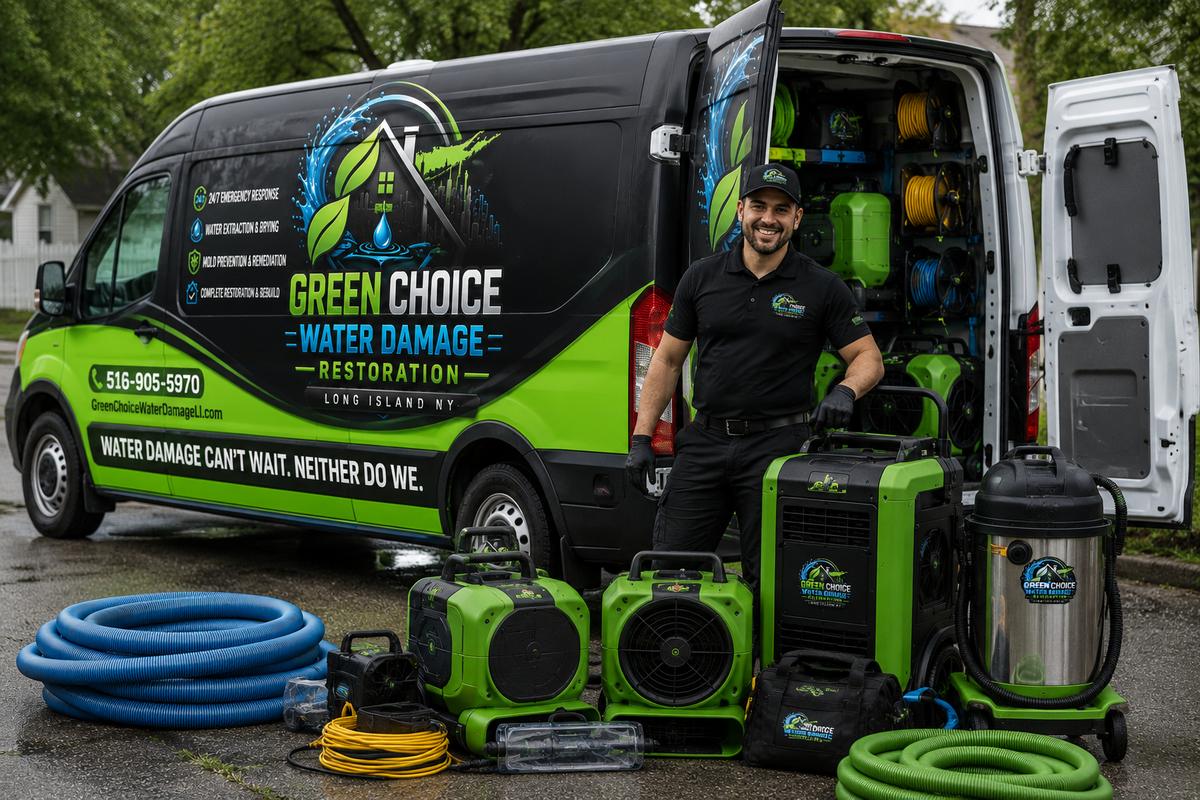
Mitigation and rebuild, under one roof
From the first gallon extracted to the final coat of paint — one crew, one scope, one point of contact. You never chase a second contractor.
Water Extraction & Cleanup
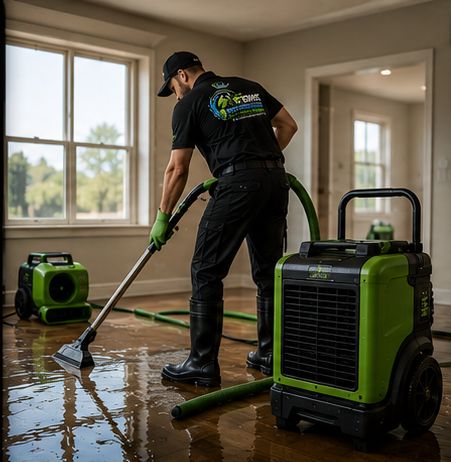
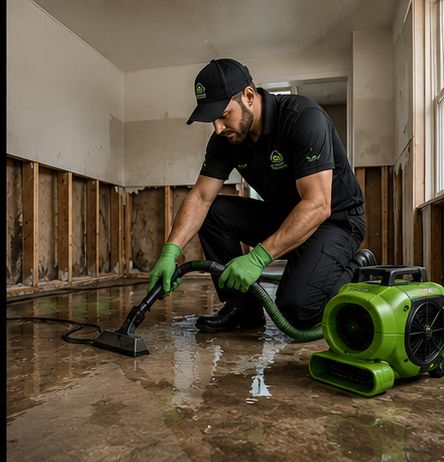
Truck-mounted pumps clear standing water fast, then we dry the structure to the framing.
Extraction →Flooded Basement & Storm
Sump failures, nor'easters and coastal surge — cleared, sanitised and dried out below grade.
Basements →Mold Prevention & Remediation
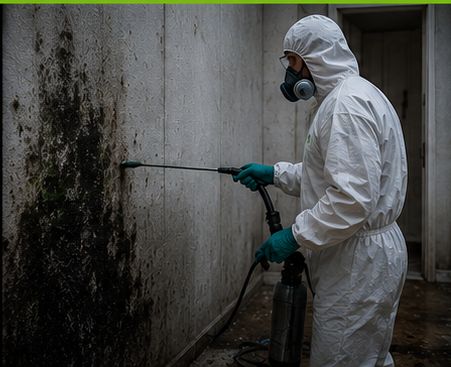
Containment, removal and antimicrobial treatment, then verification that the space is dry.
Mold →Fire & Smoke Damage
Soot removal, odour neutralising and structural cleanup to bring rooms back to livable.
Fire & smoke →Sewage & Biohazard
Category 3 black-water cleanup with full PPE, containment and safe disposal of porous materials.
Biohazard →Structural Drying
Air movers, dehumidifiers and daily moisture readings until the structure returns to normal.
Drying →Storm & Flood Damage
Emergency board-up, tarping and water removal after wind-driven rain or coastal surge.
Storm damage →Insurance Claim Support
Photos, moisture logs and a detailed scope submitted to your carrier — we bill them directly.
Claims →Local experts. Superior results.
Protecting your property and restoring your peace of mind — the same sequence on every job, whether it's a Nassau basement or a Suffolk split-level.
The first 24 hours decide the bill
What you do in the next hour genuinely changes the number at the end. Work down this list in order — and skip any step that would put you near live current.
Shut the water off at the source
Close the main valve if a pipe or appliance failed. For storm or ground water there is no valve to close, so move to step two and focus on staying safe.
Cut power to the wet rooms
If water is anywhere near outlets, the panel or electronics, switch those circuits off at the breaker. Never step into standing water that might be carrying current.
Photograph everything before you move it
Video and stills of standing water, soaked materials and damaged belongings. This is the evidence your adjuster needs, and it cannot be recreated once the water is gone.
Lift what you can to dry ground
Furniture, rugs, electronics and anything irreplaceable. An hour of contact is enough to destroy flooring, upholstery and keepsakes.
Get a crew moving
Mold can establish within 24 to 48 hours, so extraction and drying need to start well before that window closes. The full sequence is in what to do in the first hour of a leak. Call 516-905-5970 — we answer around the clock and dispatch across Nassau and Suffolk.
Three categories of water — three different jobs
The category decides how the cleanup is handled, what has to be thrown away, and whether this is a mess or a genuine health hazard.
Category 1 — Clean water
A broken supply line, a faucet, rainwater. Safe at first, but clean water degrades into category 2 within roughly 48 hours as it sits and spreads. Extract it fast and this stays simple.
Category 2 — Gray water
Dishwashers, washing machines, sump overflow. It carries contaminants that can make people ill, so affected materials get cleaned and sanitised — and often removed.
Category 3 — Black water
Sewage backup, river flooding, storm surge. Hazardous. Full protective gear, hard containment, and safe disposal of every porous material it touched.
Whichever category you're dealing with, the clock is the variable that costs money. When in doubt, treat it as urgent.
Why Long Island basements flood more than most
We sit on a narrow glacial island between the Atlantic and the Sound, and that geography works against every basement on it. The water table sits close to the surface across much of Nassau and Suffolk, so when heavy rain saturates the soil, hydrostatic pressure pushes water through foundation cracks and up through slab joints — no burst pipe required.
Then there's the housing stock. Large parts of the Island were built out between the 1950s and the 1980s, which means original galvanised supply lines now well past their service life, cast-iron drains, and sump pumps that fail on the night they're needed. A single burst supply line in an older Nassau colonial can release hundreds of gallons before anyone hears it.
And the storm calendar runs almost year-round: summer and autumn hurricane remnants, then winter nor'easters that stall over the Island and push wind-driven rain and surge into below-grade space from Long Beach and the South Shore to the harbours of the North Shore.
Will your policy actually cover this?
Usually covered — sudden and accidental. Standard homeowners policies generally cover water damage that happened fast and that you could not have prevented: a burst pipe, an overflowing washing machine, a failed water heater, storm water entering through a wind-damaged roof.
Usually not covered — gradual leaks and ground water. Two exclusions catch people out. A slow drip that rotted a cabinet over months is typically denied as a maintenance issue. And flooding that rises from the ground up — including storm surge — is excluded from standard policies and needs separate NFIP flood coverage.
What we do about it. From the first visit we document the loss the way adjusters need it: photographs, moisture readings and a written scope of work. We bill your carrier directly, so in most cases you are responsible for your deductible rather than the full invoice.
Not sure whether you're covered? Call anyway. Documenting it correctly from hour one is what gives a claim its best chance.
What restoration actually costs here
Most companies dodge this. These are honest typical ranges for Long Island — the final number always turns on how much water, how far it travelled, and what it soaked into.
The three biggest cost drivers are how long the water sat before extraction, the category of the water, and whether drywall, flooring and insulation have to come out and go back in. That's why calling early genuinely saves money — fast drying is often the difference between a four-figure job and a five-figure one. On a covered claim, your out-of-pocket is usually just the deductible. Every customer gets a written estimate before work starts.
| Minor cleanup — one room, clean water, quick dry-out | $500 – $1,500 |
| Flooded basement — extraction, drying and sanitising | $2,000 – $6,000 |
| Multi-room or multi-level water damage | $5,000 – $12,000+ |
| Category 3 / sewage cleanup with material removal | $4,000 – $10,000+ |
| Mold remediation add-on (varies by area affected) | $1,500 – $6,000 |
Serving Nassau and Suffolk, islandwide
Based at 30 Lynch St in Huntington Station and dispatching across both counties. Choose your township for local flood patterns, housing stock and response detail.
Water damage questions, answered
How fast can you respond to a water damage emergency on Long Island?
We answer calls 24 hours a day and aim to have a technician on site within 60 minutes anywhere in Nassau or Suffolk. The sooner extraction begins, the less secondary damage and mold growth you face.
Do you work directly with my insurance company?
Yes. We document the loss with photographs and moisture readings, provide a detailed scope of work, and bill your insurer directly, so you handle one deductible instead of the full invoice.
How much does water damage restoration cost on Long Island?
Typical costs run from about $500 for a small single-room cleanup to $6,000 or more for a flooded basement, with multi-room and sewage losses running higher. The final figure depends on how much water intruded, the category of water, and whether materials have to be removed and rebuilt. On a covered claim you usually pay only your deductible.
How long does the drying process take?
Structural drying typically runs three to five days, depending on how much water intruded and which materials were affected. We place air movers and dehumidifiers and take moisture readings daily until they return to normal.
What should I do first when my basement floods?
Shut off the water source if you can, and cut power to the flooded area at the breaker before going near it. Photograph the damage for your insurance, move valuables to dry ground, and call a restoration crew so extraction can begin before mold sets in.
Are you available nights, weekends and holidays?
Yes. We answer the phone 24 hours a day, seven days a week, including nights, weekends and holidays, and aim to have a crew on site within 60 minutes anywhere in Nassau or Suffolk.
Reach Green Choice
Calling is always fastest during an active emergency. Otherwise send the form at the top of the page and we'll ring you straight back.
- 24/7 emergency line516-905-5970
- Service address30 Lynch St, Huntington Station, NY 11746
- HoursOpen 24 hours — every day of the year
- Why usCertified & experienced · Fast response · Local, trusted, Long Island proud